
AdventHealth University (AHU) successfully pioneered an immersive virtual reality (VR) training program to teach nursing, allied health and general education undergraduate students the art of empathetic patient care. By using Facilitate, AHU overcame logistical and scheduling complexities, enabling them to scale a vital training experience that was previously limited to a small number of students.
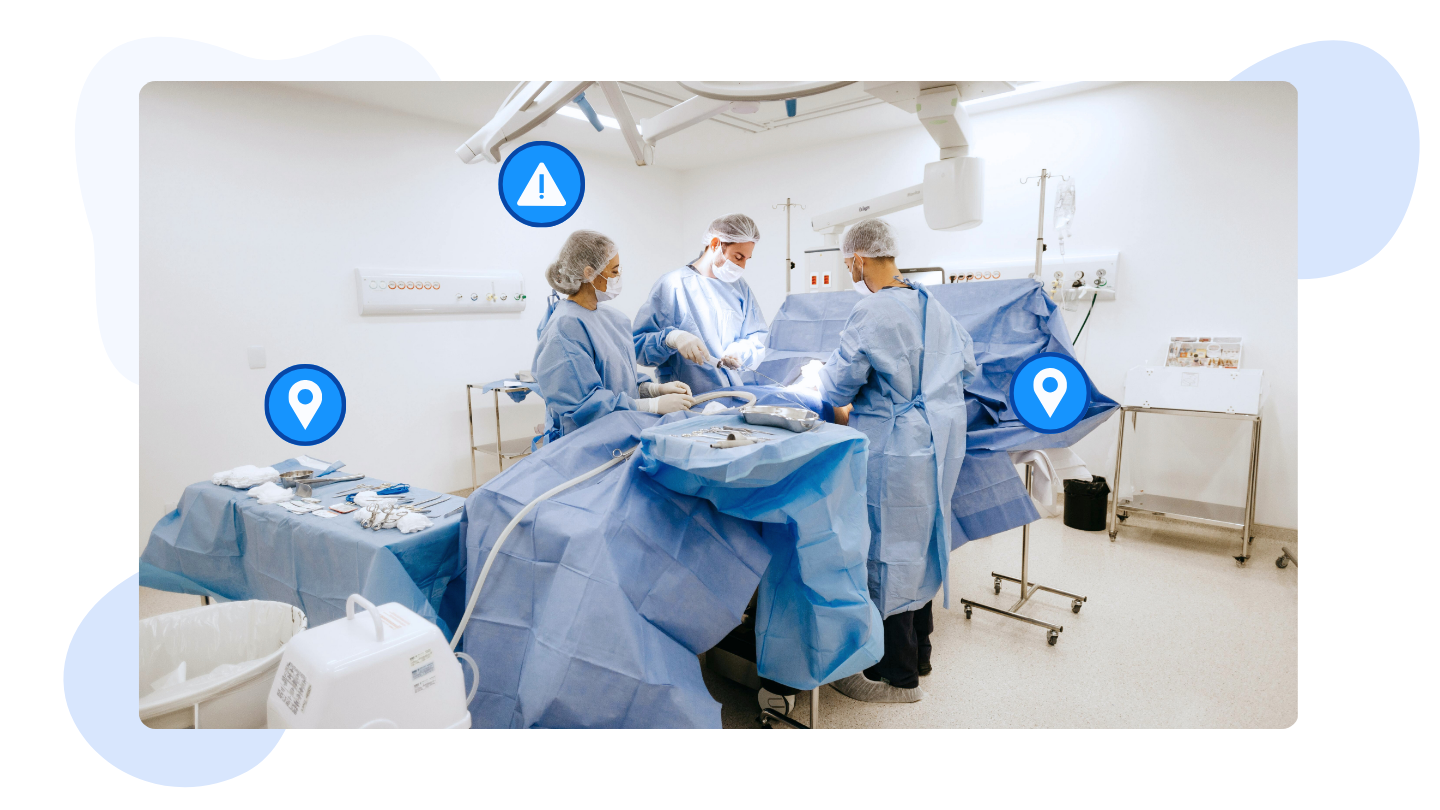
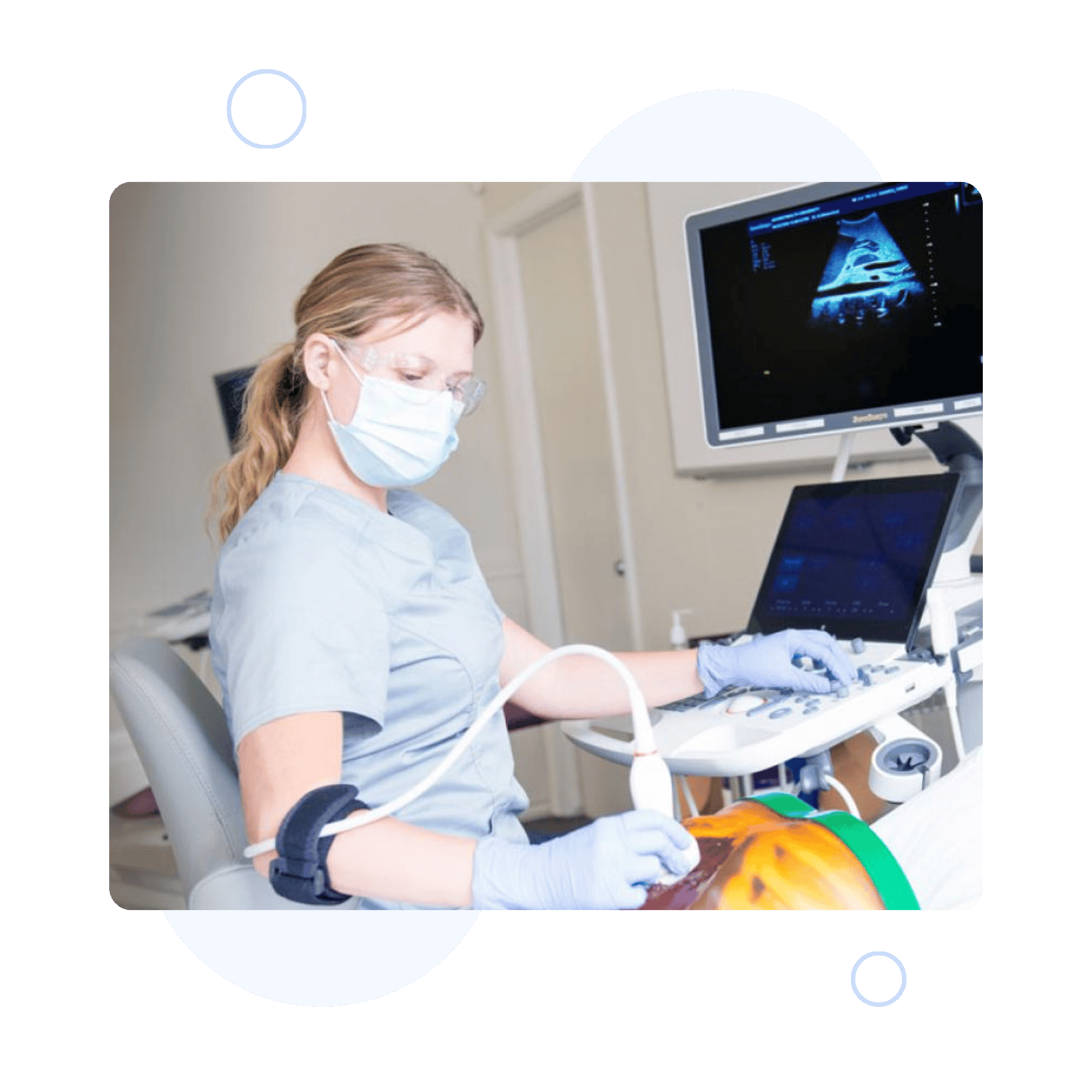
AHU’s leadership wanted to expand the highly effective chaplain rounding experience to its undergraduate students, but faced significant resource roadblocks:
There were simply not enough chaplains available to provide this intensive, in-person training at scale.
The university needed a solution that could replicate this deeply human and emotional learning experience for a much larger student body without compromising on quality.
The challenge was further compounded by the COVID-19 pandemic, which made all in-person hospital rounding impossible.
Standard eLearning couldn’t capture the emotional depth of patient care, so AHU turned to VR. Off-the-shelf content lacked the AdventHealth whole-person care philosophy, and outsourcing was too slow and costly for a grant-funded project.
To create authentic, scalable XR training in-house, AHU adopted Facilitate, enabling teams to build rich, meaningful learning experiences without specialist developers. The solution includes:
Immersive Scenarios: High-fidelity 360° videos placing students directly into realistic patient-chaplain interactions.
Guided Debriefs: Following each VR session, students participated in a debrief led by a chaplain to process their emotional responses and learnings.
Scalable Deployment: Using Facilitate, AHU can now deploy the training modules annually across all university-owned headsets, ensuring every student receives the same high-quality experience.


The project proved that VR can effectively scale empathy-focused training, showing a measurable increase in empathy among participants.
Measurable Increase in Empathy: Double-digit percentage increase in "Strongly Agree" responses for key empathy metrics among students who participated in the VR training compared to control groups.
Deeper Understanding of Spiritual Care: Students gained a broader understanding of spiritual care beyond prayer, learning crucial soft skills like active listening and patient experience validation.
Scalable, Enduring Solution: The VR program became a permanent and successful fixture in the curriculum, deployed annually through Facilitate.
Future Growth: The success of the project has generated internal demand, with AHU’s Master of Science in Spiritual Care program now looking to integrate the VR content into its courses.


Read this customer success story to learn how a leading healthcare provider in New South Wales is transforming how healthcare professionals learn and connect.

Read this customer success story to learn how Coleg y Cymoedd, a leading further education college in South Wales, successfully implemented virtual reality (VR) technology to enhance student engagement and learning outcomes.

Read this customer story to discover how Xcel Energy, a leading US electric and natural gas energy company with over 12,000 employees, utilized VR to improve training efficiency, safety, and engagement.