


Immersive training has moved from experimental innovation to operational priority across the energy sector. Oil & gas operators, electric utilities, renewable developers, nuclear facilities, and emerging carbon capture projects are increasingly investing in interactive simulation-based learning.
Why?
Because the pressures facing the energy industry—workforce transition, safety mandates, operational complexity, compliance scrutiny, and distributed infrastructure—have outgrown traditional training models.
Research from the Industrial XR Forum confirms that training remains the primary objective of immersive technology adoption across industrial sectors . Meanwhile, the VR/AR Association highlights immersive methodologies as particularly valuable in hazardous, technically complex environments .
Immersive training is popular because it works.
But the next evolution is already emerging: intelligent, adaptive, AI-assisted interactive training systems that scale faster, iterate quicker, and personalize learning dynamically.
Why Immersive Training Took Hold in Energy
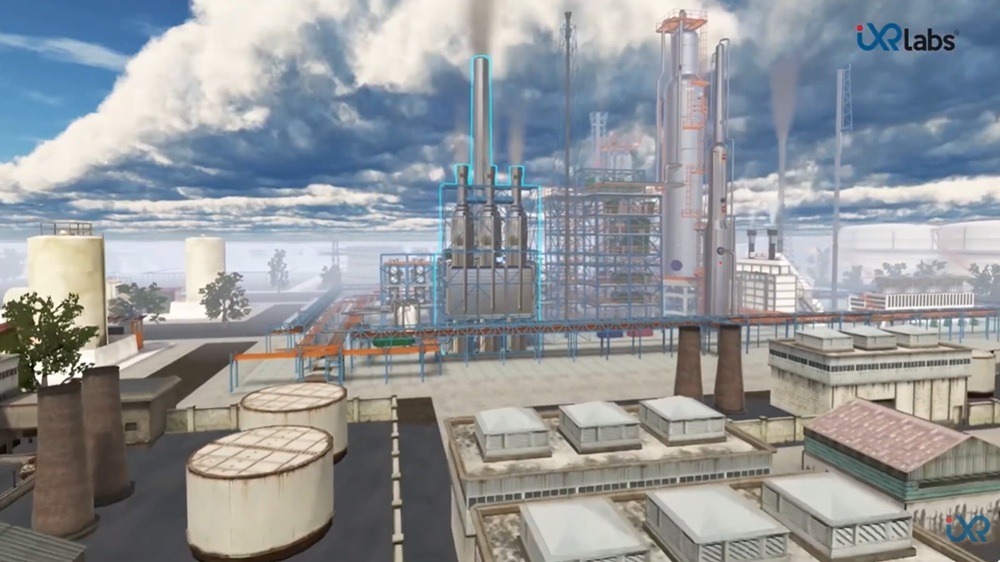
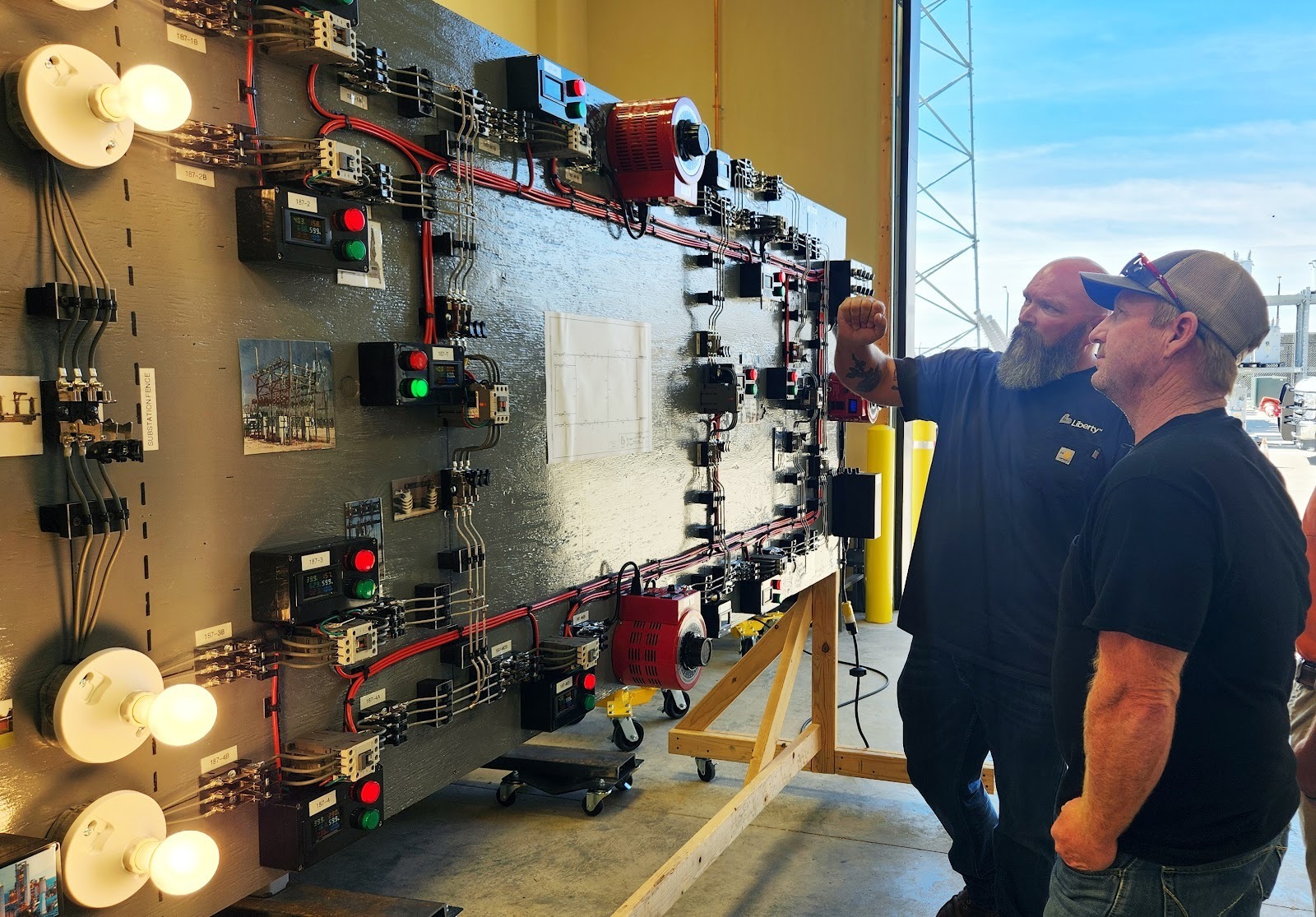
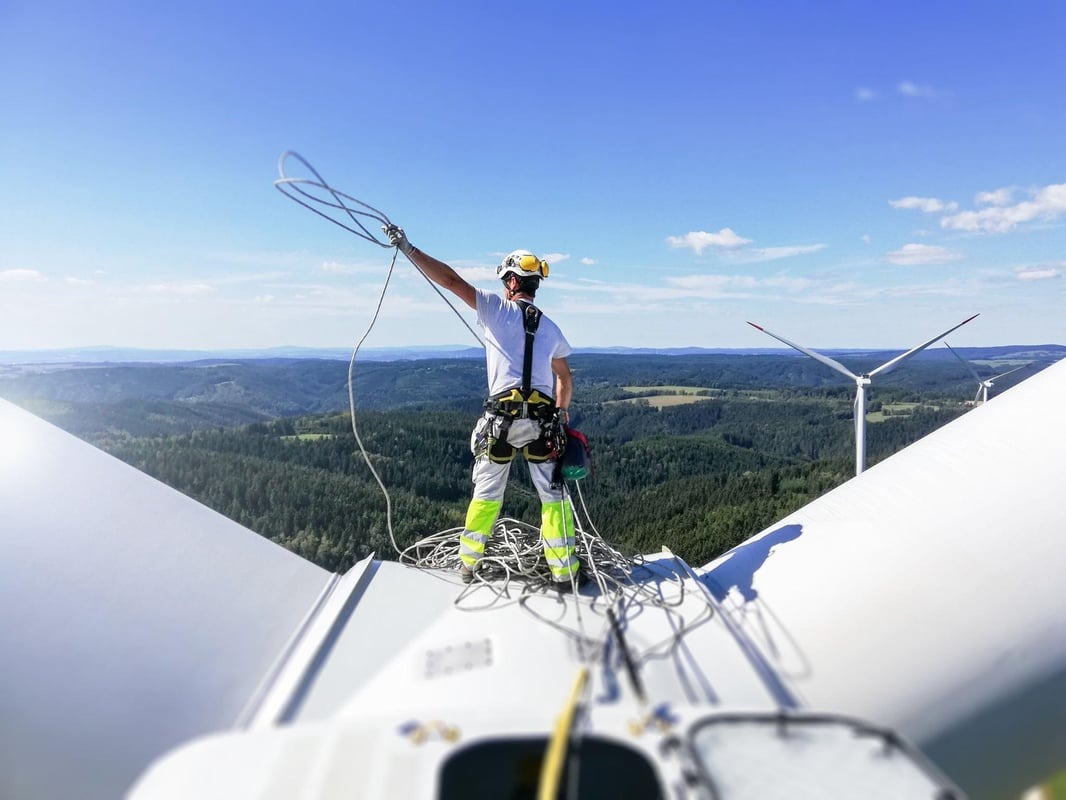
1. High-Consequence Environments Demand Safe Practice
Energy is a high-risk industry. Workers operate in environments involving:
- High voltage systems
- Pressurized pipelines
- Rotating heavy equipment
- Combustible materials
- Radiation exposure
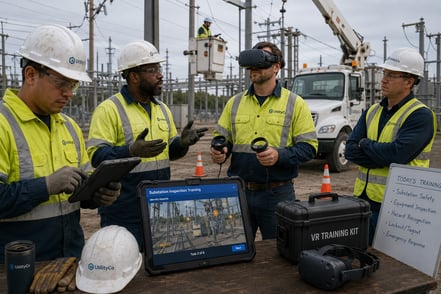
Traditional classroom training cannot replicate these conditions safely. Immersive and interactive simulations allow learners to rehearse hazardous procedures without exposing them to real-world danger.
This ability to safely simulate emergency scenarios and complex workflows is one of the primary reasons immersive learning gained traction .
2. Operational Complexity Requires Spatial Understanding
Energy systems are layered, interconnected, and often physically expansive.
Substations, refineries, turbines, and processing facilities involve spatial relationships that are difficult to communicate through diagrams alone.
Immersive environments allow workers to:
- Explore facilities before entering them physically
- Understand component relationships
- Practice procedural sequencing in context
- Identify hazards within realistic environments
Industrial XR research identifies equipment operation and safety training as the highest-value immersive use cases .
3. Workforce Transition Pressures
The energy sector faces significant retirement waves. Experienced personnel are exiting, while new hires must ramp quickly to maintain operational continuity.
Immersive training accelerates onboarding by allowing novices to practice procedures repeatedly before field exposure.
Instead of observing tasks passively, learners perform them interactively.
This improves confidence and shortens time-to-competency.
4. Distributed Assets and Scalable Deployment
Energy infrastructure is geographically dispersed—offshore rigs, rural substations, remote wind farms.
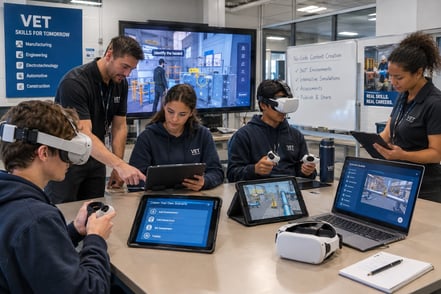
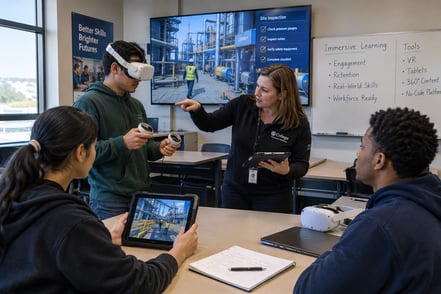
Interactive training platforms enable standardized delivery across multiple sites through desktop simulations, 360° environments, and hybrid immersive ecosystems.
This reduces travel costs and ensures consistent training quality.
5. Measurable ROI
Immersive training adoption in energy is driven by outcomes, not novelty.
Organizations pursue immersive programs primarily for:
- Increased safety
- Efficiency gains
- Cost savings
Reduced incident rates, faster onboarding, and improved compliance documentation provide tangible returns.
What’s Next: The Shift Toward Intelligent Interactive Training
While immersive training has proven effective, the next phase is already emerging.
Static simulations—no matter how realistic—deliver the same experience to every learner.
The future is intelligent, adaptive, and AI-assisted.
1. From Static Modules to Adaptive Learning
Adaptive immersive learning adjusts difficulty and feedback based on user performance.
Instead of separate beginner and advanced modules, intelligent systems can:
- Increase complexity dynamically
- Provide remediation in weak areas
- Introduce variable emergency conditions
- Track competency progression
In high-risk energy environments, this personalization strengthens skill validation.
2. From Bespoke Development to Democratized Authoring
Historically, immersive training required specialized development teams.
AI-assisted, no-code platforms now allow subject matter experts to contribute directly to interactive training creation .
This shift reduces:
- Development bottlenecks
- Vendor dependency
- Content update delays
It increases agility and internal ownership.
3. From Documentation to Simulation
Standard operating procedures often live as static documents.
AI can help convert these procedures into interactive simulations—transforming text into task-based practice.
This shortens the gap between compliance documentation and operational performance.
4. From One-Time Training to Continuous Optimization
Traditional training is episodic.
Intelligent immersive systems enable continuous improvement by:
- Capturing performance data
- Identifying common failure points
- Refining scenarios iteratively
- Aligning modules with updated regulations
Training becomes a living system, not a static asset.
The Broader Strategic Implication
Energy enterprises are modernizing infrastructure, digitizing grid systems, and expanding renewables.
Training must modernize alongside operations.
The shift from passive to interactive learning has already begun.
The shift from static to intelligent interactive training is next.
Organizations that integrate AI into immersive strategies will:
- Scale faster
- Adapt quicker
- Capture institutional knowledge more effectively
- Improve workforce readiness
Immersive training became popular because it improved outcomes.
Its next evolution will redefine how workforce capability is built altogether.
FAQ
Why is immersive training so popular in the energy sector?
Because it allows safe rehearsal of hazardous scenarios, improves spatial understanding, accelerates onboarding, and delivers measurable safety and efficiency gains .
Is immersive training limited to VR headsets?
No. Immersive and interactive training can be delivered via desktop simulations, 360° environments, and blended digital platforms.
What’s the next evolution of immersive training?
The next phase is AI-assisted, adaptive interactive training that personalizes difficulty and accelerates content creation.
How does AI enhance immersive training?
AI enables adaptive pathways, automates scenario development, supports SME-led authoring, and improves performance analytics.
Will immersive training replace traditional methods?
It will increasingly augment and replace passive formats, especially in high-risk, high-complexity industries like energy.
Comments