


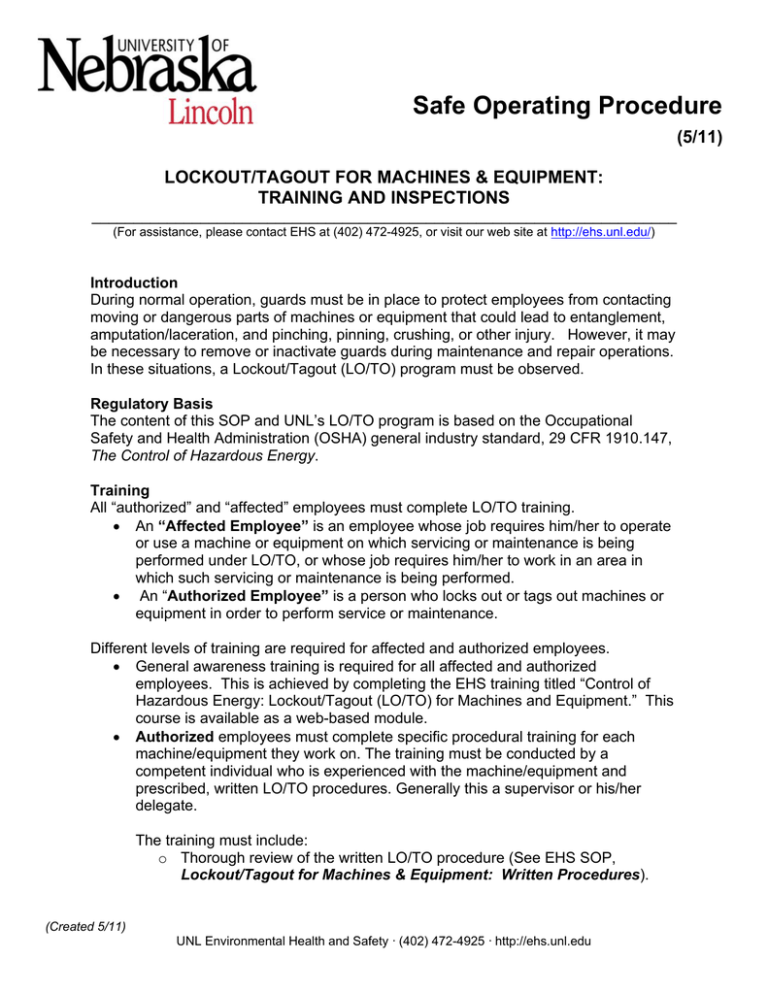
In the energy sector, Standard Operating Procedures (SOPs) are the backbone of safety, compliance, and operational consistency. They govern everything from lockout/tagout protocols and confined space entry to substation switching sequences and refinery maintenance workflows.
Yet most SOP-based training remains static—delivered as PDFs, slide decks, or passive eLearning modules.
The gap between reading a procedure and performing it under pressure is significant.
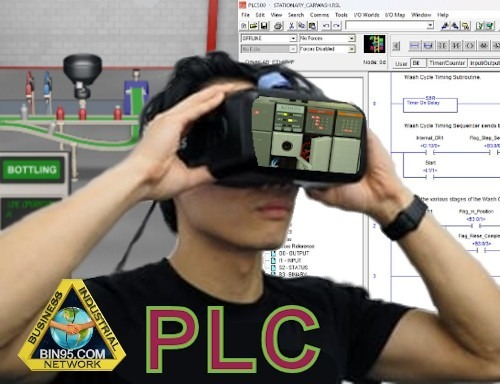
Artificial Intelligence (AI) is now transforming how organizations bridge that gap. By converting written procedures into interactive, scenario-based simulations, AI enables energy companies to move from documentation to demonstration—from compliance to competence.
Research from the VR/AR Association emphasizes the value of immersive methodologies in complex and hazardous energy environments . Meanwhile, the Industrial XR Forum confirms that safety and operational efficiency are the primary business drivers of immersive training adoption .
AI-assisted training design accelerates this shift—making it faster and more scalable to transform SOPs into interactive learning experiences.
The Traditional SOP Problem
SOPs are precise. They are detailed. They are compliance-driven.
But they are not experiential.
Traditional SOP-based training often relies on:
- Document walkthroughs
- Instructor-led reviews
- Slide-based explanations
- End-of-module knowledge checks
This format assumes that understanding written instructions translates directly into operational performance.
In energy environments—where equipment failure, high voltage, pressure systems, or hazardous materials are involved—that assumption is risky.
The challenge is not writing SOPs.
The challenge is operationalizing them.
From Text to Task: What AI Changes
Artificial Intelligence introduces a new layer of automation and intelligence to interactive training design.
Instead of manually translating every procedure into scenario logic, AI can assist in converting structured documentation into immersive workflows.
AI can:
- Analyze procedural steps and extract decision points
- Identify required safety checks and sequencing logic
- Generate branching scenarios based on “if/then” conditions
- Draft performance-based assessment criteria
- Suggest realistic error consequences
This dramatically reduces the friction between documentation and simulation.
For example:
A 12-step lockout/tagout SOP can become a dynamic, interactive simulation where the learner must:
- Identify the correct isolation points
- Apply devices in the proper order
- Verify zero energy state
- Respond to introduced faults
Instead of memorizing the steps, the learner performs them.
Why This Matters in Energy Operations
Energy systems are not forgiving environments. Mis-sequencing a step in a substation or refinery can have cascading consequences.
The VR/AR Association notes that immersive training allows safe rehearsal of hazardous and complex procedures .
By transforming SOPs into simulations, organizations can:
- Reduce procedural error rates
- Strengthen safety compliance
- Improve decision-making under pressure
- Validate real competence—not just comprehension
Industrial XR research shows safety and efficiency gains as key drivers for immersive adoption . AI accelerates the path to those outcomes.
Accelerating Development Cycles
Historically, converting SOPs into immersive training required extensive manual effort:
- Instructional designers mapping procedures
- Developers scripting interactions
- SMEs validating branching logic
- Long iteration cycles
AI-assisted design reduces this burden by scaffolding the structure automatically.
This enables:
- Faster scenario prototyping
- Reduced reliance on bespoke development teams
- Quicker updates when SOPs change
- More agile compliance response
In an industry facing regulatory evolution and infrastructure modernization, speed matters.
Enhancing Learning Design Quality
AI does more than automate conversion—it enhances instructional alignment.
The VR/AR Association stresses the importance of clearly defined learning objectives in immersive deployments .
AI can support this by:
- Aligning SOP steps with competency frameworks
- Identifying critical decision inflection points
- Suggesting realistic consequence modeling
- Recommending adaptive branching
The result is not simply interactive content—but intelligent simulation design.
Enabling Adaptive Procedural Training
When AI integrates into simulation logic, SOP-based modules become adaptive.
Instead of progressing linearly, the simulation can:
- Provide remediation when steps are missed
- Introduce unexpected environmental variables
- Increase complexity for experienced operators
- Track common failure patterns
One intelligent module can serve multiple skill levels.
This reduces content duplication while improving performance validation.
From Static Documentation to Living Systems
SOPs evolve. Equipment changes. Compliance frameworks shift.
AI enables dynamic updating of interactive modules by:
- Detecting procedural revisions
- Highlighting impacted decision branches
- Suggesting required simulation updates
- Accelerating redeployment
Training becomes a living system aligned with operational reality—not a static archive.
Strategic Implications for Energy Leaders
Energy leaders should consider:
- How quickly can we convert new procedures into training?
- Are our SOP updates reflected immediately in our learning environments?
- Do our training systems validate execution, or only knowledge recall?
- Are we reducing dependency on external development cycles?
AI-assisted interactive training design reduces friction between documentation and deployment.
It shifts training from reactive to proactive—from static compliance to active capability development.
Beyond VR: Interactive at Scale
It is important to emphasize that this transformation is not limited to headset-based VR.
AI-powered SOP-to-simulation workflows can be deployed through:
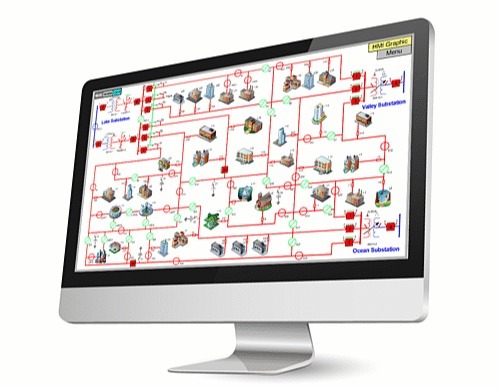
- Desktop-based interactive environments
- 360° procedural walkthroughs
- Hybrid immersive platforms
- Blended digital learning ecosystems
The defining characteristic is interactivity—not hardware.
FAQ
What does “SOP to simulation” mean?
It refers to converting written standard operating procedures into interactive, scenario-based training environments.
How does AI help convert SOPs into training simulations?
AI can analyze procedural steps, identify decision points, generate branching logic, and draft assessment criteria—reducing manual development time.
Why is this important for the energy sector?
Because energy operations are high-risk and procedure-driven. Practicing execution in simulation reduces real-world error risk .
Does this eliminate instructional designers?
No. AI accelerates design workflows but human oversight remains essential for safety-critical environments .
Can SOP-based simulations be adaptive?
Yes. AI allows simulations to adjust complexity, provide remediation, and track performance patterns dynamically.
Comments