


The energy sector is undergoing simultaneous transformation across workforce, infrastructure, and technology. Grid modernization, renewable expansion, carbon capture deployment, and an aging workforce are creating unprecedented training complexity. At the same time, traditional learning models—classroom instruction, static eLearning, and even standalone VR modules—are struggling to keep pace.
The convergence of Artificial Intelligence (AI) and immersive learning represents the next evolution in workforce development.
Immersive and interactive training has already proven its value in high-risk energy environments, improving safety, retention, and operational readiness . Now AI is poised to reduce content creation complexity, enable adaptive learning pathways, accelerate scenario design, and democratize immersive authoring.
For energy leaders, this is not a technology trend. It is a strategic inflection point.
Immersive Learning Is Already Reshaping Energy Training
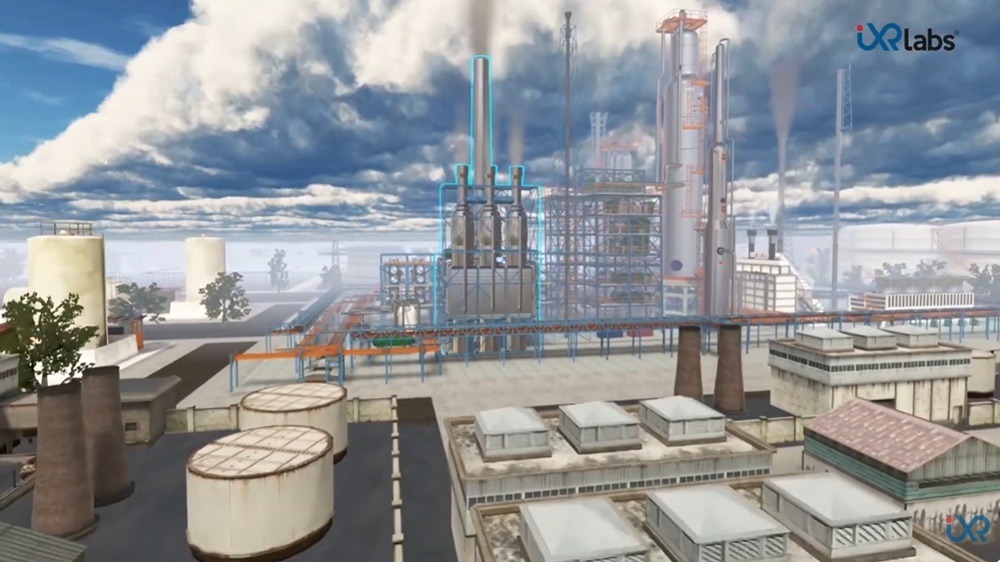
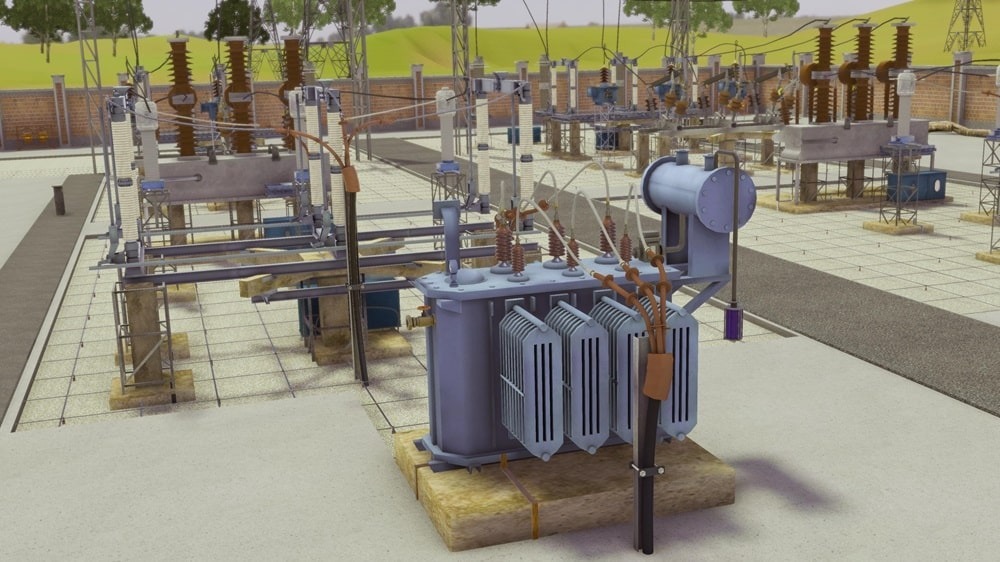
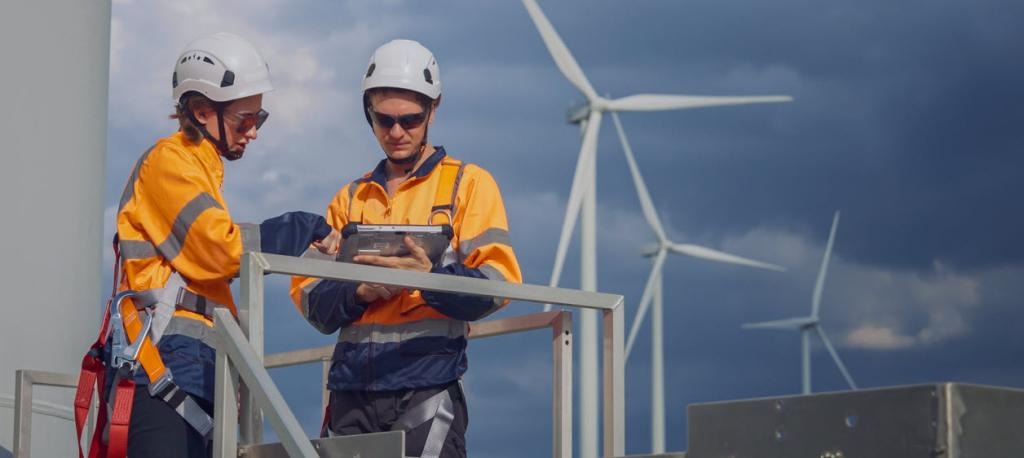
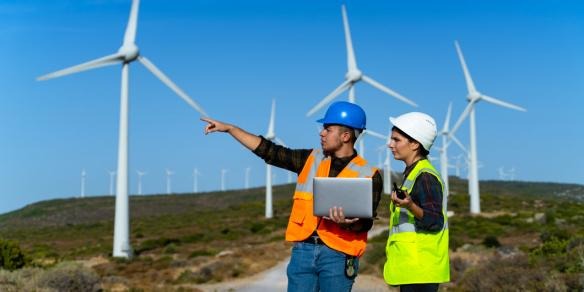
Immersive learning—whether delivered via desktop simulations, 360° environments, or headset-based experiences—has gained traction across oil & gas, utilities, renewables, and nuclear operations for a reason.
Research from the VR/AR Association highlights immersive technology’s ability to safely simulate hazardous and complex operational environments . Meanwhile, the Industrial XR Forum confirms that training is the primary driver of XR adoption in industrial sectors .
Energy enterprises have embraced immersive learning because it:
- Allows safe rehearsal of high-risk scenarios
- Improves spatial understanding of complex systems
- Accelerates onboarding in distributed environments
- Reduces training downtime and travel costs
- Provides measurable safety and efficiency ROI
However, while immersive training is powerful, traditional content creation workflows have often been expensive and slow. This is where AI becomes transformative.
Why AI Is the Missing Layer in Immersive Training
Immersive platforms provide the environment. AI makes it intelligent.
Historically, immersive training content required significant development resources—3D modeling, scripting, scenario logic, and external vendors. Customization was possible, but iteration was costly.
AI changes the equation in five meaningful ways.
1. Reduced Creation Complexity and Time
AI can dramatically compress the time required to build interactive training experiences.
Instead of manually scripting every branching scenario, AI can:
- Convert standard operating procedures into interactive flows
- Auto-generate assessment questions aligned to learning objectives
- Suggest realistic hazard placements in immersive environments
- Draft scenario logic based on role-specific competencies
For energy enterprises managing frequent regulatory updates and operational changes, this speed matters.
Rather than rebuilding modules from scratch, teams can iterate rapidly—aligning training content with evolving compliance frameworks and infrastructure upgrades.
2. Smarter Learning Design and Adaptive Training
Immersive training is most effective when grounded in sound instructional design. The VR/AR Association emphasizes that clearly defined learning objectives and outcome measurement are critical to success .
AI enhances this foundation by:
- Recommending SMART learning objectives
- Aligning content to competency frameworks
- Identifying cognitive overload risks
- Suggesting optimal branching pathways
More importantly, AI enables adaptive immersive learning.
Adaptive simulations can:
- Increase scenario complexity for experienced operators
- Provide remediation prompts for novice technicians
- Introduce dynamic emergency variables
- Adjust feedback based on real-time performance
In safety-critical energy environments, adaptive learning strengthens competency validation and reduces risk exposure.
3. 360° Environment Generation from 2D Imagery
Capturing operational environments has historically required specialized equipment or photogrammetry workflows. Emerging AI tools like Marble demonstrate how standard 2D photographs can be converted into immersive 360° environments.
For energy operators, this unlocks:
- Rapid digitization of substations, refineries, or wind sites
- Faster deployment of induction and hazard awareness modules
- Reduced production cost and capture complexity
- Greater scalability across geographically distributed assets
The barrier to immersive environment creation is shrinking dramatically.
4. Democratization of Content Creation
One of the most powerful implications of AI is the democratization of immersive authoring.
When AI capabilities integrate with no-code immersive platforms , subject matter experts—not just developers—can build high-quality training simulations.
This enables:
- Safety leaders to create hazard identification modules
- Field engineers to digitize maintenance procedures
- Compliance managers to update training immediately after regulatory changes
The reduction in bespoke development cycles lowers cost and increases organizational agility.
5. Continuous Iteration and Content Flexibility
Energy infrastructure evolves constantly. Grid modernization, renewable expansion, and carbon capture facilities introduce new procedures and risks.
AI enables:
- Rapid updates to existing simulations
- Automated localization and language adaptation
- Performance data analysis to refine training effectiveness
- Scenario regeneration when compliance standards shift
Interactive training becomes dynamic rather than static.
Strategic Implications for Energy Leaders
The convergence of AI and immersive learning signals a broader shift—from content delivery to intelligent capability development.
Energy leaders should be asking:
- How quickly can we update our training environments?
- Can our simulations adapt to individual performance?
- Are we reducing reliance on bespoke vendors?
- Is our workforce training data actionable?
The organizations that integrate AI into immersive training strategies will:
- Deploy faster
- Adapt quicker
- Scale more effectively
- Reduce long-term content costs
- Improve safety outcomes
This is not about replacing human expertise. It is about augmenting it.
FAQ
What does “AI + immersive learning” actually mean?
It refers to combining interactive simulation environments with AI-powered automation, adaptive pathways, analytics, and content generation.
Why is immersive training so popular in the energy sector?
Because it enables safe rehearsal of high-risk scenarios, improves spatial understanding, accelerates onboarding, and delivers measurable ROI .
How does AI reduce immersive training development time?
AI automates scenario drafting, branching logic, assessment creation, and environment generation, significantly shortening production cycles.
What is adaptive immersive learning?
Adaptive immersive learning adjusts difficulty and feedback dynamically based on learner performance.
Will AI replace instructional designers?
No. AI enhances learning design by automating repetitive tasks and offering optimization insights, but human oversight remains critical—especially in regulated energy environments .

Comments